
- Your cart is empty
- Continue shopping
The Ultimate Guide to Buying and Collecting Real Seashells
-
user
- Posted on
- Categories:seashells, Uncategorized
- 0 comments
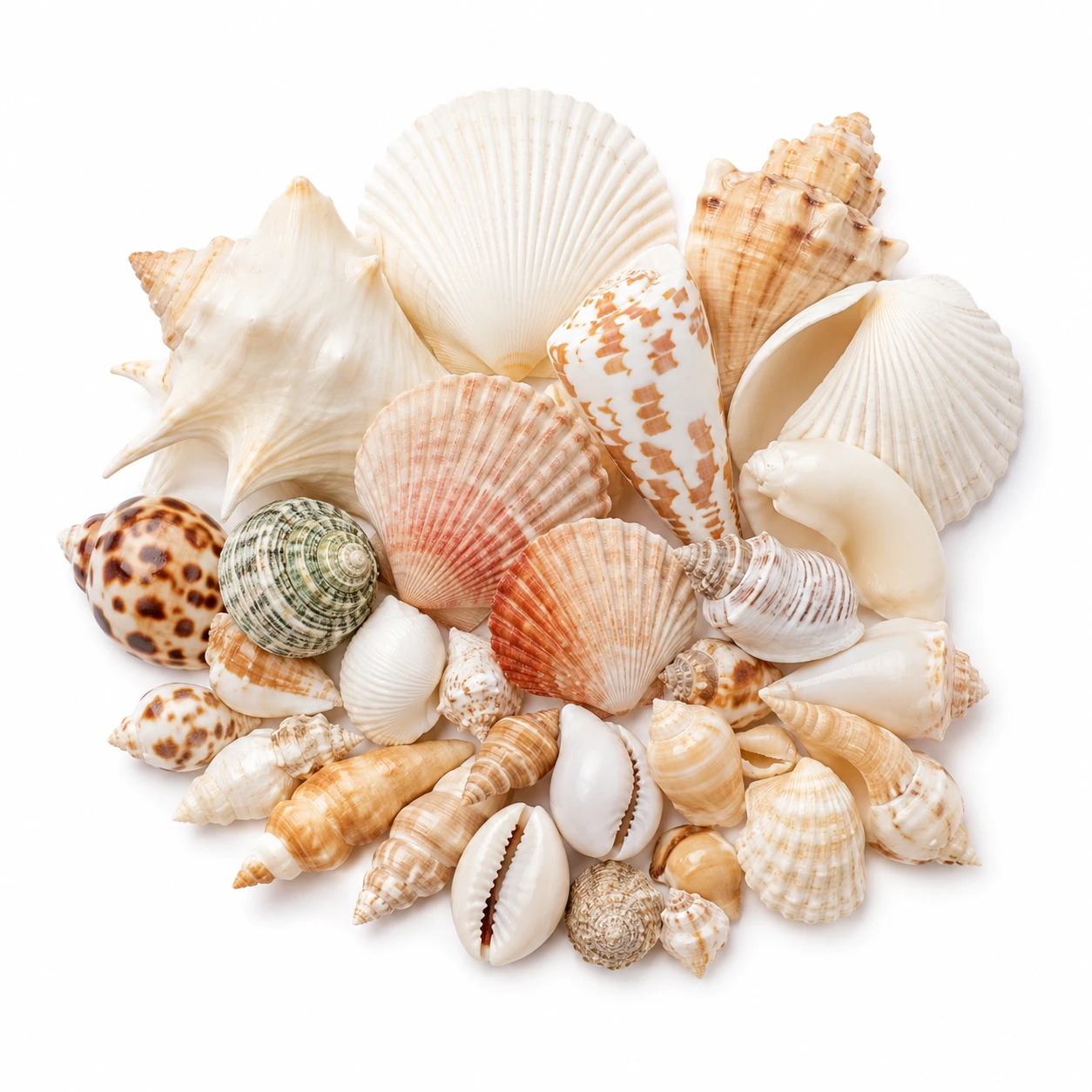
There is something genuinely magical about holding a real seashell in the palm of your hand. For centuries, ocean lovers, artists, and collectors have been drawn to the incredible shapes, patterns, and histories carried by these marine treasures. Whether you want to design a stunning dentalium shell necklace, add an organic touch to your home decor, or build a serious scientific collection, starting your journey with high-quality specimens makes all the difference.
If you are browsing seashells for sale for the first time, the sheer variety can feel overwhelming. This basic guide will walk you through the essentials of starting your collection, what unique varieties to look for, and how to source them responsibly.
1. Understanding the Different Types of Marine Treasures
When most people begin collecting, they picture classic beach finds like scallops or clams. However, the world of marine specimens is incredibly diverse, ranging from microscopic wonders to rare collector items.
- Common & Craft Favorites: If you are diving into DIY projects or home styling, starting with a curated blend of small shells or a handful of colorful tiny seashells is an easy, affordable way to experiment.
- Unique Geometric Wonders: For a standout display, look for structural marvels like sea urchin shells for sale or a focal glass conch shell. Their striking symmetry immediately draws the eye.
- Collector Specialties: If you want to dive deeper into the hobby, explore the fascinating world of the scaphopod (commonly known as scaphopoda). These unique, hollow tooth shells have a rich history and add a sophisticated curiosity to any collection display case.
2. What to Look for When Buying Online
Sourcing your specimens online gives you access to beautiful treasures from across the globe, including premium varieties from seashell regions in India that you might never find on your local coastline. To ensure you are getting the best value, keep these three factors in mind:
- Authenticity: Always ensure you are purchasing a real seashell rather than a synthetic replica. Natural shells carry unique color gradients and minor, organic variations that plastic cannot replicate.
- Sorting & Quality: For crafting or jewelry making, consistency is key. Look for listings like a smooth dentalium shells combo pack that offers sorted, multi-size ranges (such as 1.25–2 inches) so you know exactly what size distribution to expect for your workflow.
- Ethical Sourcing: Turn to trusted suppliers who specialize in responsibly harvested marine life, ensuring that the natural habitats are respected and preserved.
3. Simple Ways to Display and Care for Your Collection
Once your treasures arrive, showcasing them beautifully keeps the coastal inspiration alive in your daily space.
- The Curiosity Cabinet: Arrange your unique specimens—like your prized scaphopods—in small glass jars or divided wooden shadow boxes. Labeling them with their scientific names and scaphopoda characteristics transforms a simple shelf into an educational exhibit.
- Wearable Art: If you are a creator, threading premium tusk shells into a traditional necklace or incorporating them into textile embroidery lets you carry a piece of the ocean with you wherever you go.
- Routine Maintenance: Keep your collection looking pristine by gently dusting them with a soft brush. For sturdier items, a quick rinse in warm water followed by a tiny drop of mineral oil will beautifully restore their natural, deep ocean luster.
Conclusion
Every single shell tells a story of the ocean currents, time, and natural artistry. By focusing on quality, authentic pieces, you can build a collection that brings joy for years to come. Ready to find your very first pieces? Explore our curated selection of authentic marine treasures at seashellfromindia.com to start your collecting journey today!

Tags:
